Nordic Proof at Arendalsuka: Strengthening the Nordics as a clinical trial hub

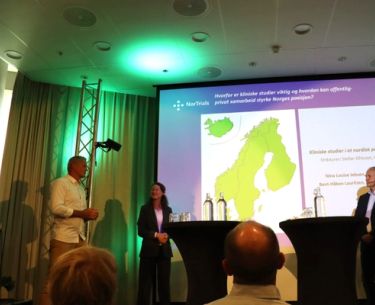
Nordic Proof joined NorTrials at Arendalsuka to discuss how Norway and the wider Nordic region can grow their position in clinical studies — and what that means for the health industry's growth and export potential.


Written by
Bent-Håkon Lauritzen
At this year's Arendalsuka, Nordic Proof took part in a session led by NorTrials on a topic increasingly central to the future of the Nordic health sector: Norway and the Nordics' position in clinical studies — and its significance for the growth and export of the health industry.
The session opened with NorTrials director Signe Fretland, who highlighted the importance of long-term, sustained action — the kind set out in the new national action plan for clinical studies for 2026–2035. A stable, decade-long horizon, she noted, is what allows the sector to build lasting capacity rather than react to short-term demand.
Centre leaders from the various NorTrials units followed, describing how they work in practice to secure commitment from clinical communities across Norway. A recurring theme was the value of strong feasibility studies and rapid turnaround — from first inquiry through to patient recruitment and study start-up. Speed and reliability at these early stages, they emphasised, are often what determine whether a study lands in Norway at all.
Nordic Proof then joined Nina Jebsen of NorCRIN and Stefan Ohlsson, VP at IQVIA, to discuss the value of Nordic collaboration from two angles: making it easier for Norwegian companies to access testing and clinical studies, and making the Nordics as a whole a more attractive place to run studies within Europe.
That question of attractiveness is a timely one. While the number of clinical studies conducted across Europe has declined in recent years, Nordic Proof has seen the opposite trend — a steady rise in inquiries and completed studies. Over the past four years, the partner network has handled 1,000 inquiries from companies in 27 different countries and completed more than 340 studies on medical devices and eHealth applications.

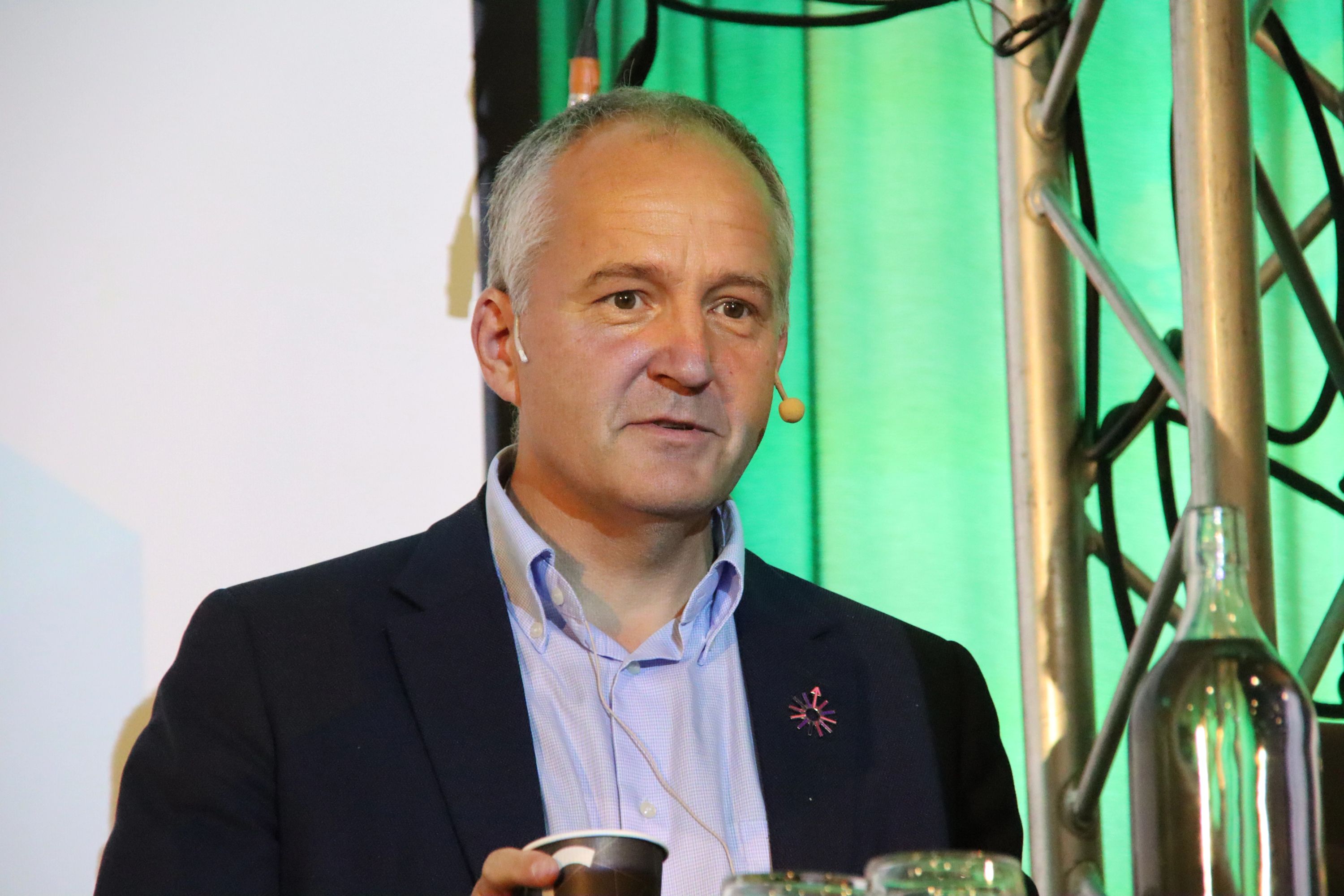
The session closed with Innovation Norway and Siva underlining the role of predictable funding schemes and stable framework conditions for Norwegian companies that need clinical studies — a reminder that the ambitions set out in the new action plan depend on the practical support structures underneath them.
For Nordic Proof, the message from Arendalsuka was clear: the Nordic region has a genuine opportunity to strengthen its position in clinical research — but realising it will take coordinated collaboration, responsive infrastructure, and long-term commitment across the whole ecosystem.